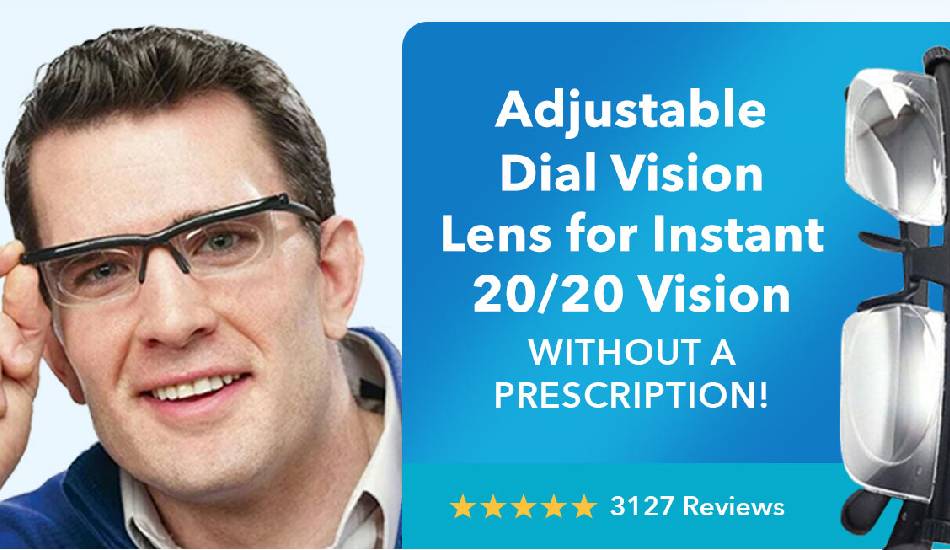
Adjustable vision glasses use a small dial on each side to change focusing power. Instead of keeping separate readers, computer glasses and distance glasses, you tune one pair as you go. They can be genuinely handy — for the right person. Run through this checklist.
Good signs they'll work for you
- You mainly need help up close. Presbyopia — reduced near focus that usually starts in your 40s — is the classic use case.
- You switch tasks a lot. Reading, a laptop and across-the-room in the same hour.
- Your eyes differ slightly. Each side adjusts independently.
- You want a backup pair for the car, desk drawer or travel bag.
Reasons to think twice
- You have significant astigmatism. Most adjustable designs don't correct it.
- Your prescription is strong or complex. Each model covers a limited range.
- You need a wide, sharp field of view all day. Custom lenses usually do this better.
- You prefer slim frames. The adjustment mechanism adds some bulk.
Adjustable glasses are a convenience tool, not a substitute for an eye exam or a prescription from an eye care professional.
Getting the most from them
- Cover one eye and turn its dial until text looks crisp.
- Repeat for the other eye.
- Readjust whenever you change tasks.
- Clean the lenses with a microfiber cloth only.
Sunny-day bonus
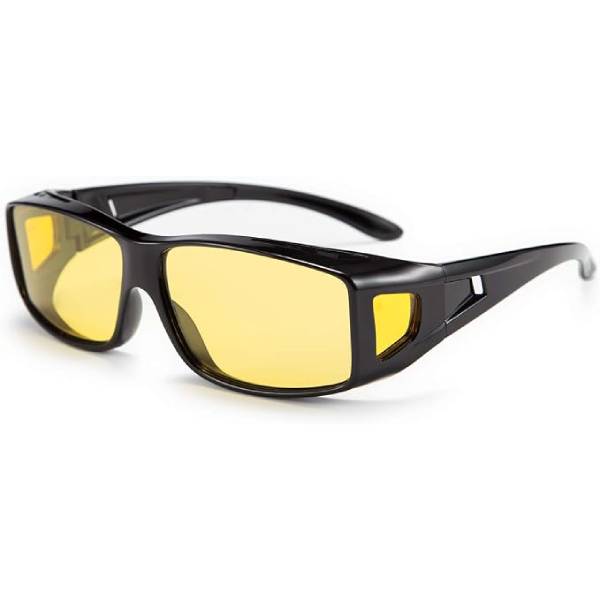
Southern California sunshine brings plenty of glare. If you already wear glasses, polarized fit-over sunglasses slip over your frames for driving and time outdoors.
Sudden vision changes, eye pain, flashes of light or new floaters need prompt attention from an optometrist or ophthalmologist. Regular eye exams help track changes in your vision.